By analyzing microRNAs in blood, saliva, and vaginal mucus, researchers uncover fluid-specific molecular patterns that could inform future noninvasive diagnostics for endometriosis.
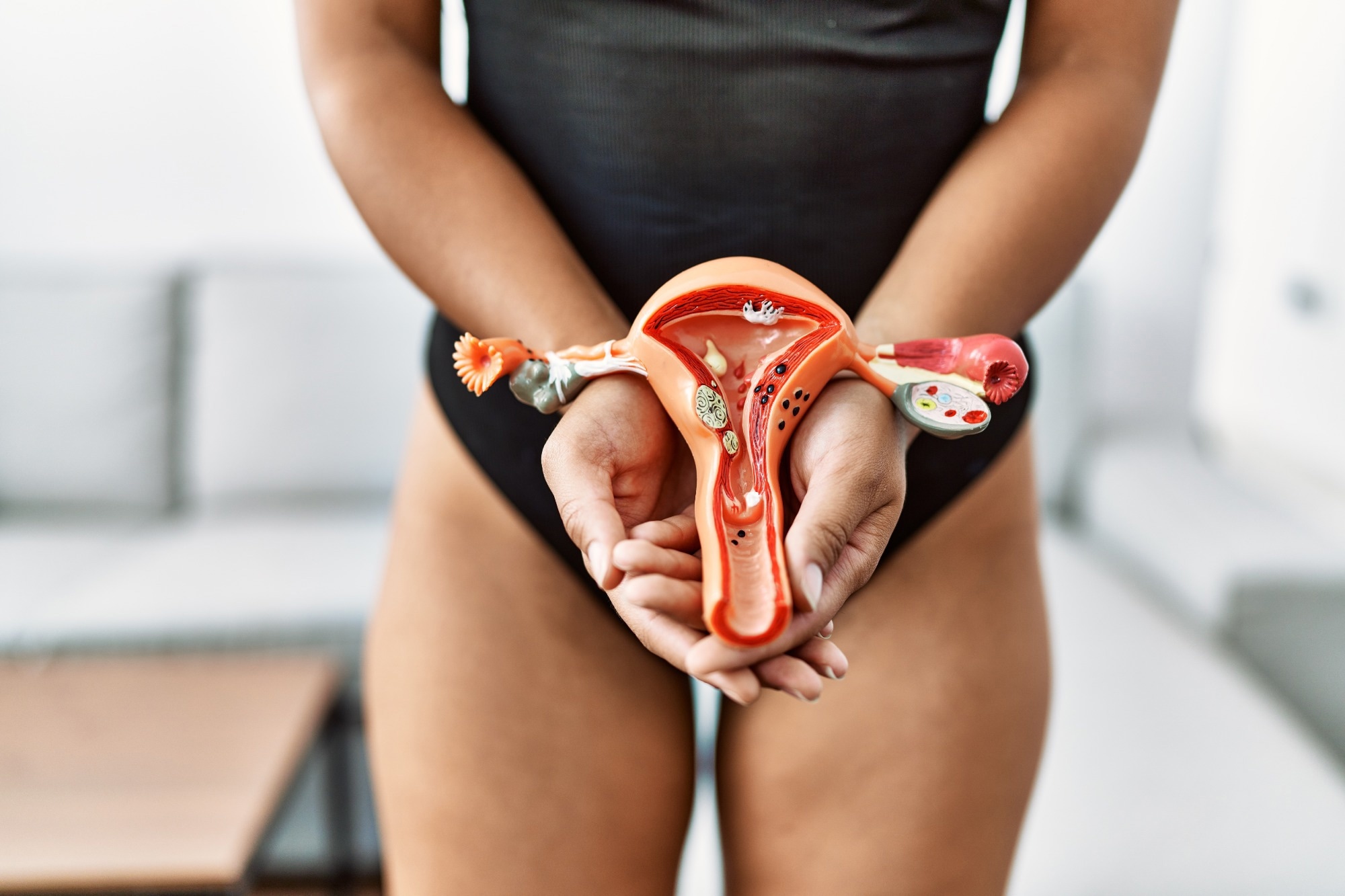 Study: Identification of candidate microRNA biomarkers of endometriosis in different bodily fluids. Image credit: Krakenimages.com/Shutterstock.com
A recently published pilot paper in Scientific Reports examines potential microRNA alterations in body fluids that could serve as molecular markers for endometriosis. The findings contribute to the development of tools for timely diagnosis and intervention.
Why circulating microRNAs are promising diagnostic candidates
Endometriosis is a chronic condition occurring in up to 10 % of women in their reproductive years. It is associated with pelvic pain, infertility, and pelvic masses, though in several cases it produces no symptoms. Diagnosis is based on the patient’s symptom history, a physical examination, and imaging studies.
Unfortunately, these are far from reliable methods in providing a robust diagnosis. Because most women are diagnosed only after laparoscopy, a diagnostic keyhole surgery, endometriosis is typically diagnosed only 5,12 years after the earliest symptoms begin, and after the patient has approached multiple doctors.
Endometriosis is initiated by and progresses in the presence of estrogen.
MicroRNA (miRNAs) are bits of RNA molecules that regulate the levels of specific genes by acting on the transcribed RNA. They are linked to a range of diseases, including cancers, infections, and autoimmune diseases. They resist rapid degradation; hence, the current study sought to identify and measure them in serum, saliva, and vaginal mucus. The aim was to compare levels of these factors in these fluids between women with endometriosis and controls using next-generation sequencing.
An earlier modeling study exploiting artificial intelligence (AI) was based on 109 salivary miRNAs. It showed impressive sensitivity and specificity, with an area under the curve of over 95 %, indicating high discriminative ability. However, it is not ready for routine clinical use for multiple reasons.
- It requires large miRNA panels, which are costly and require sophisticated equipment, especially with next-generation sequencing
- Does not use multiple bodily fluids, limiting validity and reproducibility
- Omits vaginal mucus miRNA and proteomics profiling
- Drastic hormonal variations occur during the menstrual cycle, which might affect the levels of circulating miRNAs
The current study sought to use three bodily fluids, saliva, serum, and vaginal mucus, that are conveniently sampled, for miRNA profiling, coupled with serum proteomics. This is claimed to be the first prospectively recruited, exploratory, cross-sectional study to incorporate all three sources to illuminate molecular-level alterations in endometriosis.
After identifying miRNAs that were differentially expressed between patients and controls, the researchers further analyzed them to identify their target genes. These genes helped identify which parts of the cell’s functions or components were involved in miRNA-mediated regulatory changes. KEGG pathway analysis helped identify overrepresented biological pathways in endometriotic patients.
Serum proteomics was performed to help understand network interactions between the miRNAs and proteins produced by the affected genes.
Distinct microRNA signatures emerge across serum, saliva, and mucus
The study included 20 participants: 10 with endometriosis (stages III and IV of the aSRM classification, indicating moderate to advanced disease) and 10 teratoma controls, all of whom had ovarian teratomas. The CA125 marker was higher in the former, and most of them suffered dysmenorrhea, compared to one of the controls.
The results showed clearly fluid-specific patterns of miRNA expression. Serum miRNA was most abundant, and saliva had the lowest abundance, a distribution pattern consistent with prior studies, though this study itself identified distinct, fluid-specific differential miRNA signatures.
Serum contained 13 miRNAs that were expressed at significantly different levels in endometriotic women compared to controls. Saliva and vaginal mucus, in contrast, showed three and six, respectively.
The high abundance of miRNAs in serum was concordant with prior research.
The low number of total and differentially expressed miRNAs in saliva contrasts with earlier studies. This could be because of differences in sample size, disease phenotype, and technical variations. The inherent differences between saliva and other fluids might also play a role. Salivary miRNAs may eventually be complementary rather than primary biomarkers for endometriosis.
None of the differentially expressed miRNAs were common to all body fluids, though miR-1304-3p was differentially expressed in serum and mucus, but was detected in fewer than half of the cases. The miRNA expression profile could be unique to the sample type, possibly because of the differences in miRNA origin and function between tissues.
The researchers found that the menstrual phase had a limited overall impact on miRNA expression, though two serum miRNAs showed significant changes.
Analysis of the predicted target genes showed that altered miRNA expression was associated with multiple pathways, including apoptosis, Wnt signaling, autophagy, and cellular senescence. This reflects common disease processes despite the separate biology of each fluid.
Serum proteomics was performed because serum had the highest miRNA abundance. This identified 59 upregulated serum proteins predicted to be targets of the differentially expressed miRNAs. These were driven by dysregulated miRNAs, signaling potentially significant miRNA,target gene combinations in endometriosis.
Of these, miR-200a-3p and miR-200b-3p showed moderate discriminatory ability and may be useful as candidate noninvasive serum markers of endometriosis.
Despite these findings, the study has several limitations to its generalizability. These include:
- Its pilot nature, with a small sample size
- No external validation by comparison within the group or with larger, more diverse groups
- Only patients with moderate to advanced endometriosis were included
- Only controls with ovarian teratoma were included
- Failure to capture lifestyle factors that could affect miRNA expression
- Cross-sectional nature ruled out the ability to track changes in miRNA expression over time or with intervention
Importantly, the miRNA expression was not compared with the molecular changes at the lesion level. This could mean that the dysregulated miRNA profile reflects systemic inflammation or general changes in tissue or organ function secondary to endometriosis rather than lesion-specific patterns.
Further experimental work is essential to detect associations and mechanistic pathways between endometriotic lesions and changes in miRNA expression.
Promise and limits of noninvasive microRNA profiling
This prospectively recruited, cross-sectional pilot study identified and compared miRNA expression profiles in three types of bodily fluids, showing fluid-specific patterns. It included vaginal mucus miRNA profiling for the first time, which is important since this is a commonly and easily obtained sample type for miRNA biomarker identification.
While two markers were identified as potential discriminators of endometriosis, the small sample size and lack of external validation make future validation essential. However, the work adds to the body of knowledge on miRNAs in endometriosis. Multi-sampling and multi-omics could help drive the development of improved diagnostics and therapeutics in this complex and difficult condition.
Download your PDF copy now!
Journal reference:
-
Lyu, S., Li, Q., Gu, Z., et al. (2026). Identification of candidate microRNA biomarkers of endometriosis in different bodily fluids. Scientific Reports. DOI: https://doi.org/10.1038/s41598-026-37277-5. https://www.nature.com/articles/s41598-026-37277-5
 Hormonal birth control influences emotion and memory in women