A 27-year population study suggests that where nitrates come from, not just how much we consume, may shape dementia risk by reflecting broader diet quality and vascular health rather than the effects of any single nutrient alone.
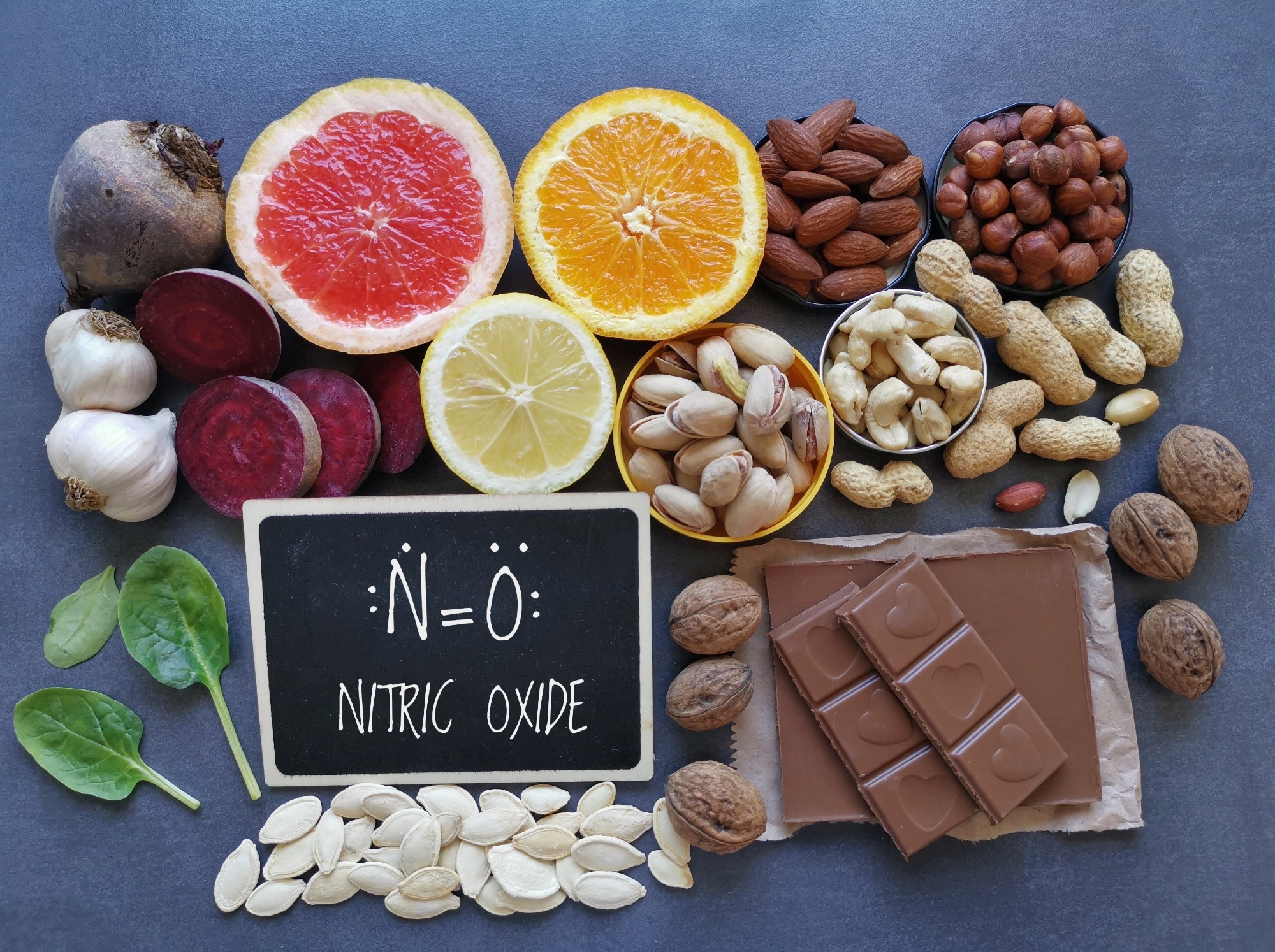 Study: Source-specific nitrate intake and incident dementia in the Danish Diet, Cancer and Health Study. Image credit: Danijela Maksimovic/Shutterstock.com
The metabolic fate of food nitrates and nitrites, and therefore their health impact, depends heavily on the source. A recent paper in the journal Alzheimer’s & Dementia explored diet-specific nitrates for associations with dementia risk.
Why nitrate source may matter for brain health
Dietary nitrate intake comes from several sources. Natural nitrates in plants are mostly ingested in root vegetables and green leafy vegetables. They also occur in animal-based foods. Regulated additives are an additional nitrate source in meat products. A fourth source is tap water.
Earlier studies show that vegetable-sourced nitrate intake is associated with reduced cardiovascular risk. Clinical studies demonstrate that nitrate intake improves vascular function. Cardiovascular disease and dementia share several common risk factors, underlining the importance of vascular health to cognitive function in older people.
Nitrate metabolism produces nitrite and nitric oxide (NO). The latter is a vasodilator and neuroprotective molecule. Overall, these suggest a potential link between nitrate intake and dementia risk.
Nitrates and nitrites can also be converted in the body to carcinogenic and possibly neurotoxic N-nitrosamines. Meat contains heme and amines that promote nitrosation. Conversely, plant compounds such as polyphenols, folate, and vitamins C and E inhibit the reaction.
Small studies suggest that nitrate intake from different sources is differentially associated with dementia risk. Observational evidence shows an association between lower dementia risk and mostly plant-based diets, such as the Mediterranean and Dietary Approaches to Stop Hypertension (DASH) diets.
The current study sought to identify associations of dietary nitrates and nitrites with the incidence of total and early-onset dementia (before the age of 65 years), by food source, namely:
- Plant-based, naturally occurring nitrate and nitrite
- Animal-based, naturally occurring nitrate and nitrite
- Meat products: nitrate and nitrite from permitted additives
- Tap water: sources of nitrates include fertilizers, nitrogen-fixing crops, and the use of fossil fuels in agriculture.
The study also examined the influence of factors like smoking and exposure to nitrosation inhibitors.
Danish cohort enables long-term dementia risk analysis
The study used data from the Danish Diet, Cancer and Health Cohort Study. It included 54,804 participants who were free of dementia at baseline. Food-frequency questionnaires were used to assess baseline nitrate and nitrite intake.
The data was analyzed using restricted cubic splines to model nonlinear relationships between the variables on a continuous scale. Cox regression models were used to capture changes in risk over time.
Nitrate intake patterns mirror lifestyle and health profiles
In this cohort, 4,750 participants developed dementia over a follow-up period of up to 27 years. Of these, 191 had early-onset dementia. The median age of diagnosis for dementia overall was 77 years, versus 62 years for early-onset dementia.
The median nitrate intake from plant-based sources was 44 mg per day, versus 5.8 mg per day from animal sources and 0.8 mg per day from tap water.
Individuals in the highest quintile of plant-sourced nitrate intake had a healthier baseline profile. They were more likely to be women, more educated, more physically active, never-smokers, and living with a partner. They had lower rates of cardiovascular disease and chronic obstructive pulmonary disease. Conversely, mean energy intake was higher, and diabetes was more common.
In the highest quintile of water-sourced nitrate intake, participants were more likely to be women, physically active, less educated, smokers, and single. Conversely, participants in the highest animal-based nitrate intake quintile were more likely to be men with a higher energy intake.
Dementia incidence
Plant-based nitrate intake was inversely correlated with dementia incidence. The risk was 10 % lower in the fifth quintile of nitrate intake versus the first. Doubling the intake of nitrate from plants and vegetables reduced the adjusted dementia risk by 8 %. However, plant-sourced nitrate intake likely reflects broader dietary patterns and lifestyle factors, making it difficult to isolate nitrate-specific effects from overall diet quality.
Dementia risk increased in the highest quintile of animal-sourced nitrate and nitrite intake, 4 to 11 mg per day and 0.5 to 0.9 mg per day, respectively, corresponding to estimated intakes consistent with diets high in red meat. Notably, nitrate intake from naturally occurring animal sources, including fresh meat and dairy, was tenfold that from meat products containing permitted nitrate or nitrite additives.
Dementia risk was 13 % higher and 11 % higher for increased animal-based and meat-product-sourced nitrate intake, respectively. Nitrite intake was associated with a 19 % and 11 % increase in risk, respectively.
Prior research has shown inconsistent findings, perhaps because of factors like meat smoking or high-heat cooking, that promote nitrosamine formation.
Dementia risk increased by 14 % in the highest quintile of water-sourced nitrate intake versus the lowest. The risk was 12-16 % higher when comparing drinking water with the lowest versus the highest nitrate concentrations.
The mean water nitrate levels here were 1.8 to 5.1 mg per liter, significantly below the current regulatory limits of 44 to 50 mg per liter. The higher dementia risk at these levels emphasizes the need for further investigation to identify potential confounding factors or co-occurring water contaminants, rather than implying a direct causal role for nitrate itself.
Early-onset dementia
Nitrate and nitrite intake from all sources affected the risk of early-onset dementia more strongly than total dementia rates. In the highest quintile of vegetable-sourced, but not total plant-sourced, nitrate intake, early-onset dementia risk decreased by 39 %.
Large increases in relative risk were found with nitrate intake from naturally occurring animal sources, meat products, and tap water, by 73 %, 40 %, and 53 %, respectively. However, these estimates were based on only 191 early-onset cases, with wide confidence intervals that included the null, making these associations suggestive rather than definitive.
These associations were strongest at younger ages, perhaps due to increased vascular responsiveness.
These results should be considered preliminary because of the small number of cases, the absence of cases diagnosed before age 50, and the high relative risk estimates.
Inhibitor intake
Dementia rates increased across all animal-sourced nitrate intake subgroups except when polyphenol consumption was low. Conversely, with higher polyphenol or vitamin C intake, nitrate intake was no longer linked to a lower dementia risk. This is consistent with a ceiling effect. These subgroup patterns were exploratory rather than formal tests of interaction, but the biologically plausible findings warrant further exploration.
Dementia rates increased with nitrate intake from meat products, but only with higher polyphenol intake. These inhibitors probably cannot detoxify pre-existing N-nitrosamines in these foods. Alternatively, this was a small subgroup, and the finding could be due to chance.
Sensitivity analyses limited to ten years of follow-up showed stronger associations. This could be due to exposure misclassification, which is very likely given that dietary habits change significantly over decades and with age. Since intake was only captured once at baseline, this misclassification could meaningfully skew the risk estimates.
The findings agree with earlier studies suggesting that lower dementia rates are associated with plant-based nitrate intake. Further research is important to understand whether nitrates protect specifically against dementia or simply improve cerebral perfusion. The challenge of isolating nitrate-related effects on dementia is exacerbated by the complex bioactivity of food.
The strengths of the study include its large sample size, long follow-up, high continuance rate, and robust exposure measures. Even so, its observational design rules out causal inferences.
Beyond the fact that plant-sourced nitrate intake likely reflects broader lifestyle and socioeconomic factors, several additional sources of residual confounding may have influenced the findings. Around 10 % of the Danish population is exposed to relatively high nitrate levels in tap water, while nitrate concentrations in workplace drinking water were not captured, potentially leading to exposure misclassification.
Baseline cognitive status was not formally assessed, raising the possibility that some participants may have had unrecognized impairment at study entry, and dementia diagnoses may have been missed during follow-up. In addition, the cohort consisted predominantly of Caucasian participants, which limits the generalizability of the results to more diverse populations.
Nitrate source matters more than nitrate amount
The findings reveal source-dependent differences in the associations of nitrate and nitrite with dementia. Dementia risk is inversely associated with the habitual consumption of plant-sourced nitrates, highlighting a new area of investigation. Conversely, animal- and water-sourced nitrate and nitrite were associated with higher dementia risk, with this association modified by other lifestyle and dietary factors.
These effects need to be confirmed and clarified by future research. Meanwhile, "nitrate source, particularly from vegetables, appears to be a meaningful, modifiable contributor within the broader context of diet quality and vascular health", with overall dietary patterns likely more important for brain health than any single nutrient in isolation.
 Newly discovered survival pathway explains stubborn EGFR-driven lung cancers